26 May 2026 · Sidney Sussex College, Cambridge
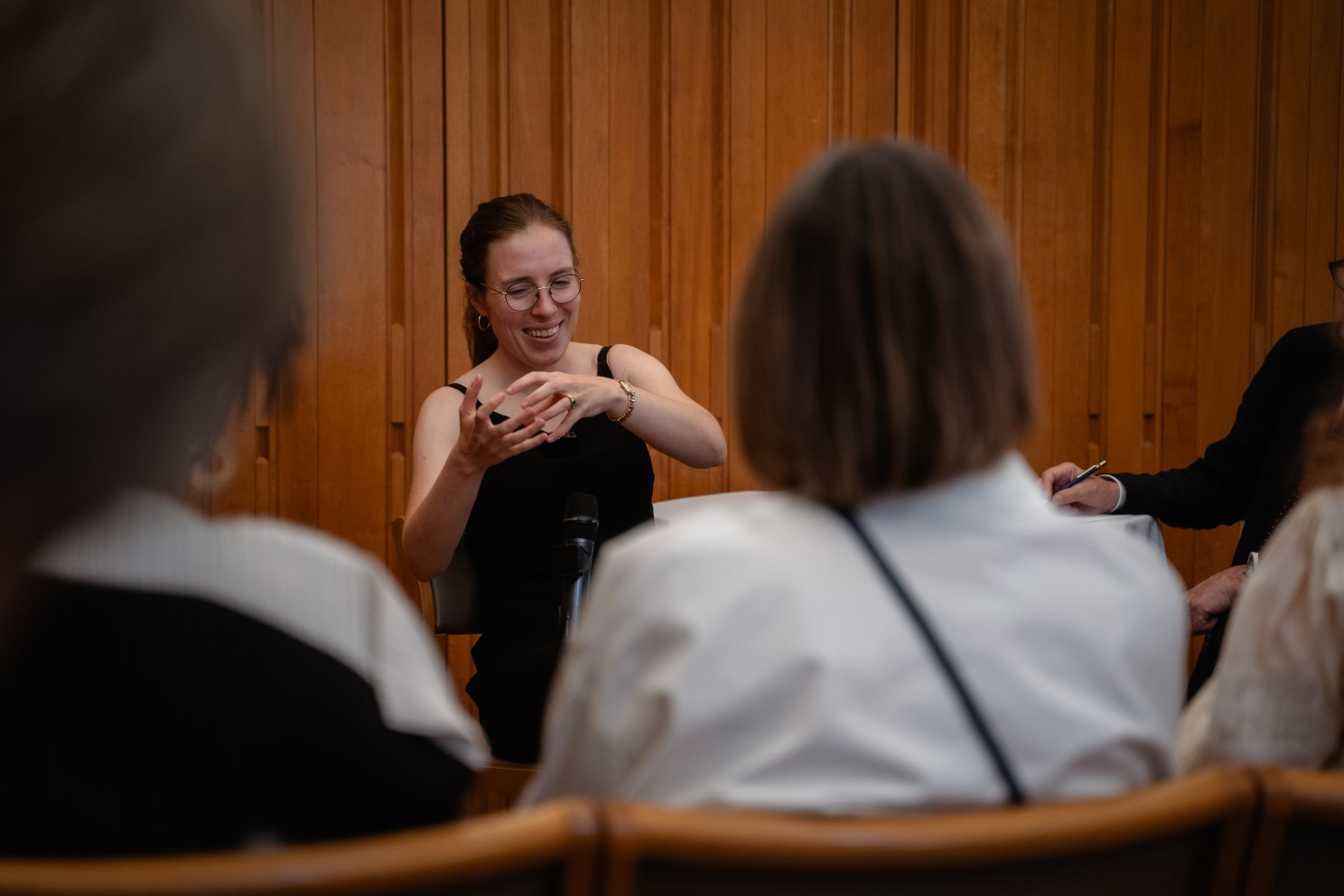
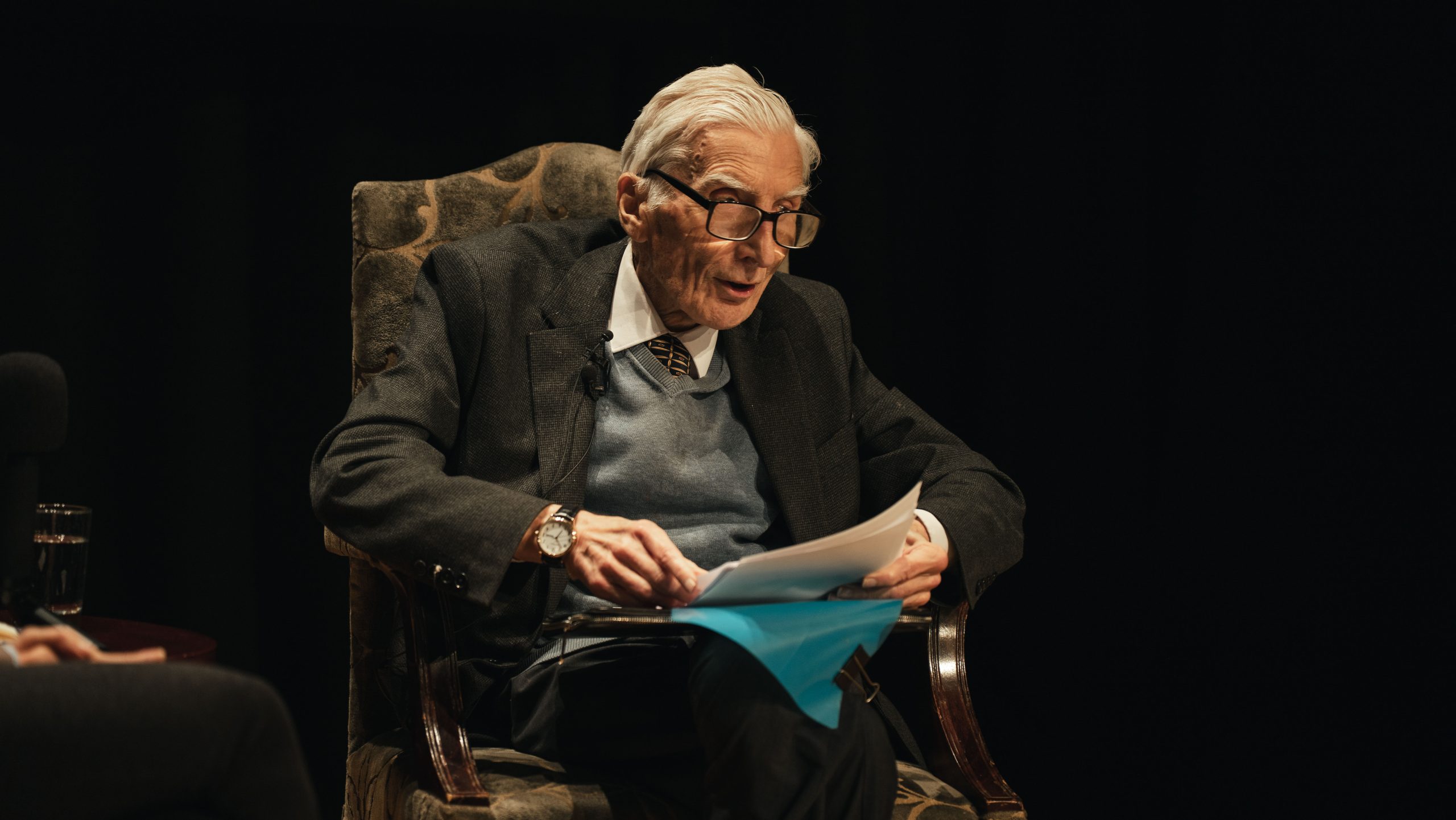
The University of Cambridge Better Futures Programme recently brought together Better Futures Leaders and esteemed guests for a fantastic evening discussion on how governments, schools, parents and researchers should respond to social media’s impact on young people’s mental health when the science is still catching up with the technology. Professor Martin Burton, Master of Sidney Sussex College, chaired the evening and introduced our distinguished guest speaker: Professor Amy Orben, a psychologist who leads the Digital Mental Health Group at the MRC Cognition and Brain Sciences Unit at the University of Cambridge. Orben’s team has spent a decade studying how social media and digital environments affect adolescents. She advises the Secretary of State for Health on the UK government’s current social media consultation, sits on the Scientific Advisory Council at the Department for Education, and recently contributed to the government’s under-five screen time guidance.
Orben opened by laying out a structural problem that sits behind almost every policy debate in this space. Digital technologies spread through society far faster than science can study them. She sketched the usual sequence — anecdotal concern, commissioned research, established evidence, tested interventions, eventual policy — and pointed out that in the digital world, the product has typically moved on before the sequence completes.
“In the UK we had about a hundred years between the first car being sold and the ten millionth car being sold. With TikTok, we had two years.” — Professor Amy Orben
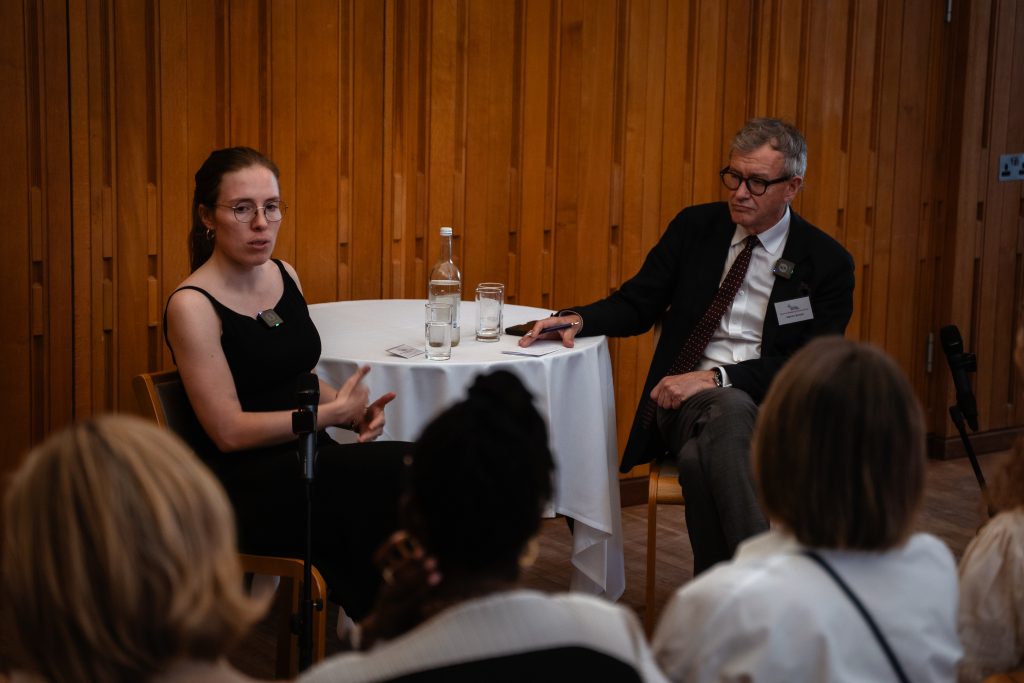
Physical products gave researchers stable things to study. A Ford Focus coming off a production line had a serial number; if accidents spiked, you could trace them back. Social media platforms change constantly, are personalised to each user, and are tested by companies through design iterations that external researchers cannot observe. The safety infrastructure that grew up around cars, food products and pharmaceuticals over generations simply has no equivalent here.
The implication for policymakers, Orben argued, is that the question is never just “do we have enough evidence?” It is also: what is the cost of waiting for better evidence, and what is the cost of the alternatives?
Participants questioned on which variable actually matters. Is it the device itself — the smartphone in a child’s pocket — or the content on it? Is it the total time spent, or the specific design features that keep pulling a user back in? Does it make a difference whether a child is watching educational videos, messaging friends, or scrolling an algorithmically-fed social feed? And are we measuring impact on sleep, on academic performance, on self-esteem, on the risk of radicalisation? Each combination points to a different cause and a different remedy. Orben’s response reframed the problem.
“Asking about the impact of social media on kids is like asking about the impact of families on kids.” — Professor Amy Orben
Just as family influence depends on siblings, books in the home, parental education and much else, digital harm depends on what content, which platform, which design features, and which mental health outcome you are actually talking about. For eating disorders, the algorithm that keeps surfacing content even when a user hasn’t sought it out is probably central. Anxiety, radicalisation, social comparison and physical health concerns each involve different mechanisms. Lumping them under “screen time” produces policies with no clear target.
Australia’s under-sixteen social media ban illustrated the problem. When accounts were restricted, many young people carried on watching YouTube without one — which removed the parental controls that had previously applied. The policy solved one thing and created another. Whether removing an app leads to a teenager going outside or simply migrating to a different platform depends entirely on what else is available to them, and that question rarely appears in the policy design.
An audience member raised something researchers in this field have argued for years: technology companies are running the most comprehensive behavioural experiments in human history, and governments cannot see the results.
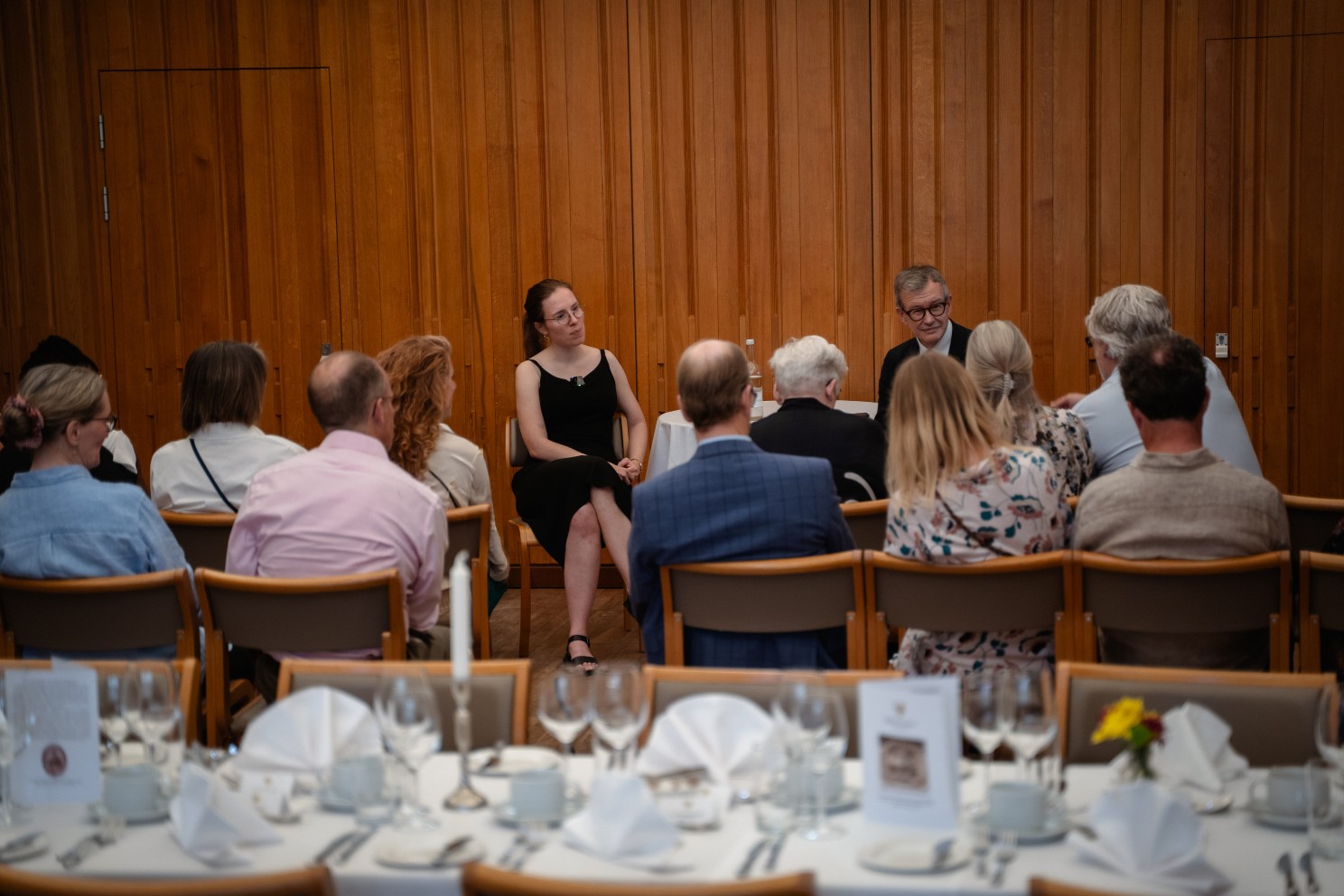
Orben recalled giving a talk at Apple in 2021 with a growing sense that her audience already knew everything she was telling them. Companies A/B test continuously — effectively running randomised controlled trials at scale — and hold granular data on individual users that academics cannot access. The Online Safety Act promised researchers data access, then reduced it at the last minute to a mandate for Ofcom to write a report on what access might eventually look like. That report took two years to produce. Progress since has been slow.
The underlying economics are worth naming. Platforms optimised to maximise time on site will, through enough iterations, arrive at designs that exploit how humans make decisions. “If you’re optimising for attention in a system where you can run thousands of iterations, you’ll get there,” Orben said, “even if you never sat down and mapped out the neuroscientific pathways you were targeting.”
Orben’s focus groups with young people produced findings that cut against the loudest voices in the debate. When participants in her Bradford trial were asked about a complete social media ban, they rejected it. What they wanted were better tools to manage their own use — ways to push back against platforms they knew were engineered to hold their attention.
A Danish trial, co-designed by a researcher in Orben’s group, tested three light-touch interventions: a five-second breathing pause before opening a social media app, a prompt to set a time intention before entering, and a reminder of personal goals. The personal goals prompt made no difference. The breathing pause and the time intention each reduced daily use by around an hour, with no reduction in enjoyment. Google announced last week it would roll the approach out on Android.
The young people in Orben’s research were under no illusions about what platforms were doing to their attention. Many described their heavy use as a “me problem” while simultaneously identifying the design as the cause — and then concluded the solution was probably another app. “That’s literally what we all do as well,” Orben said. “This is not just the kids.”
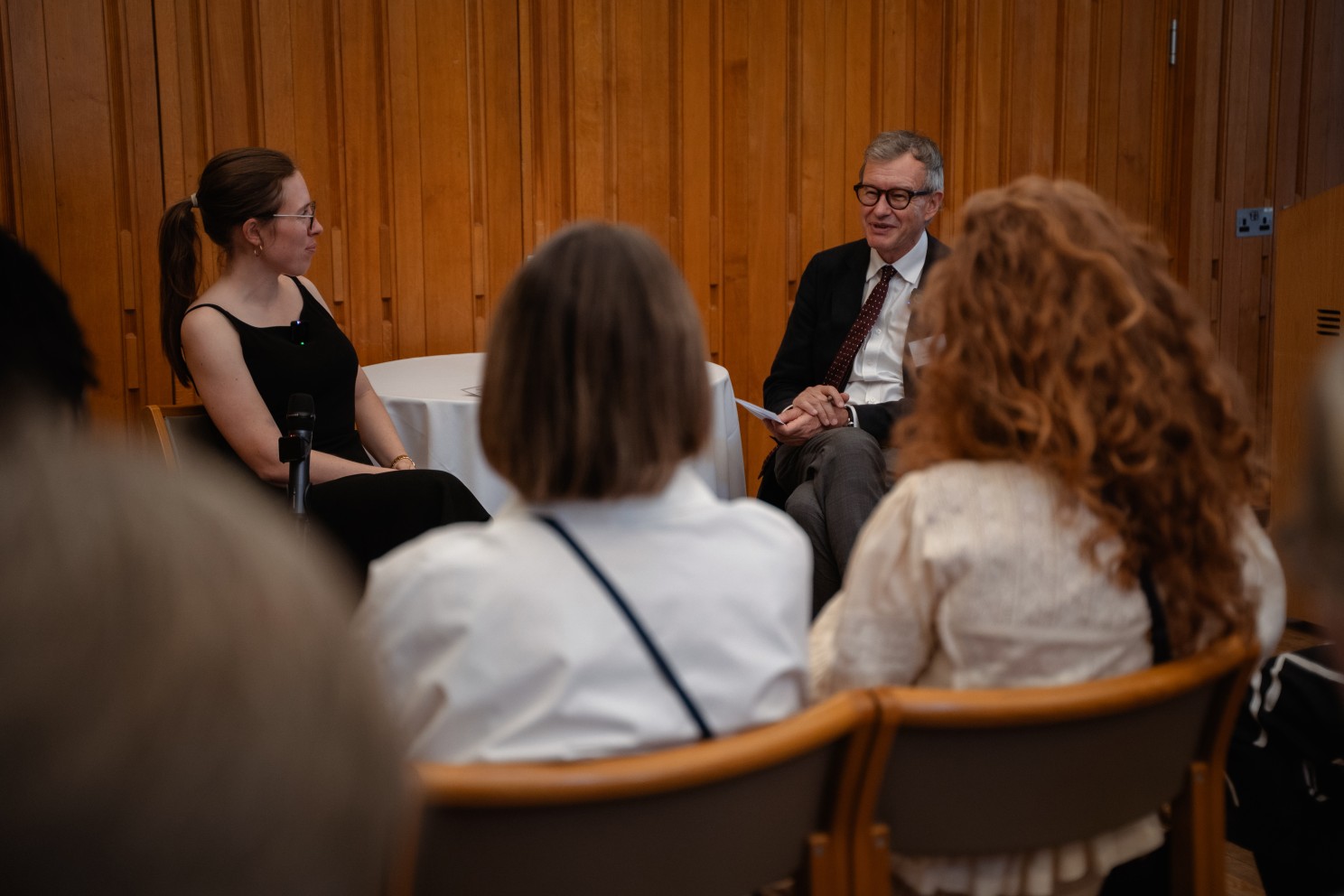
The closing exchange kept returning to the same tension: what does a responsible decision-maker do when the evidence is incomplete, the technology is still changing, and the harms may be real? Orben’s answer involved a recalibration of what scientific advice is actually for. Her job, she said, is to tell ministers where the uncertainties lie and what risks attach to each option — what philosophers of science call inferential risk. Making the call is someone else’s job.
She was equally clear that science is one form of evidence among several that matter. The experiences of parents, families, affected communities and young people themselves belong in the picture, especially when the decisions are as much ethical as empirical.
The Better Futures Programme is incredibly grateful to Sidney Sussex College, Cambridge College and its Master, Martin Burton , for generously hosting the evening and of course to Professor Amy Orben for sharing her insightful expertise — and to all the participants whose questions shaped the conversation throughout.
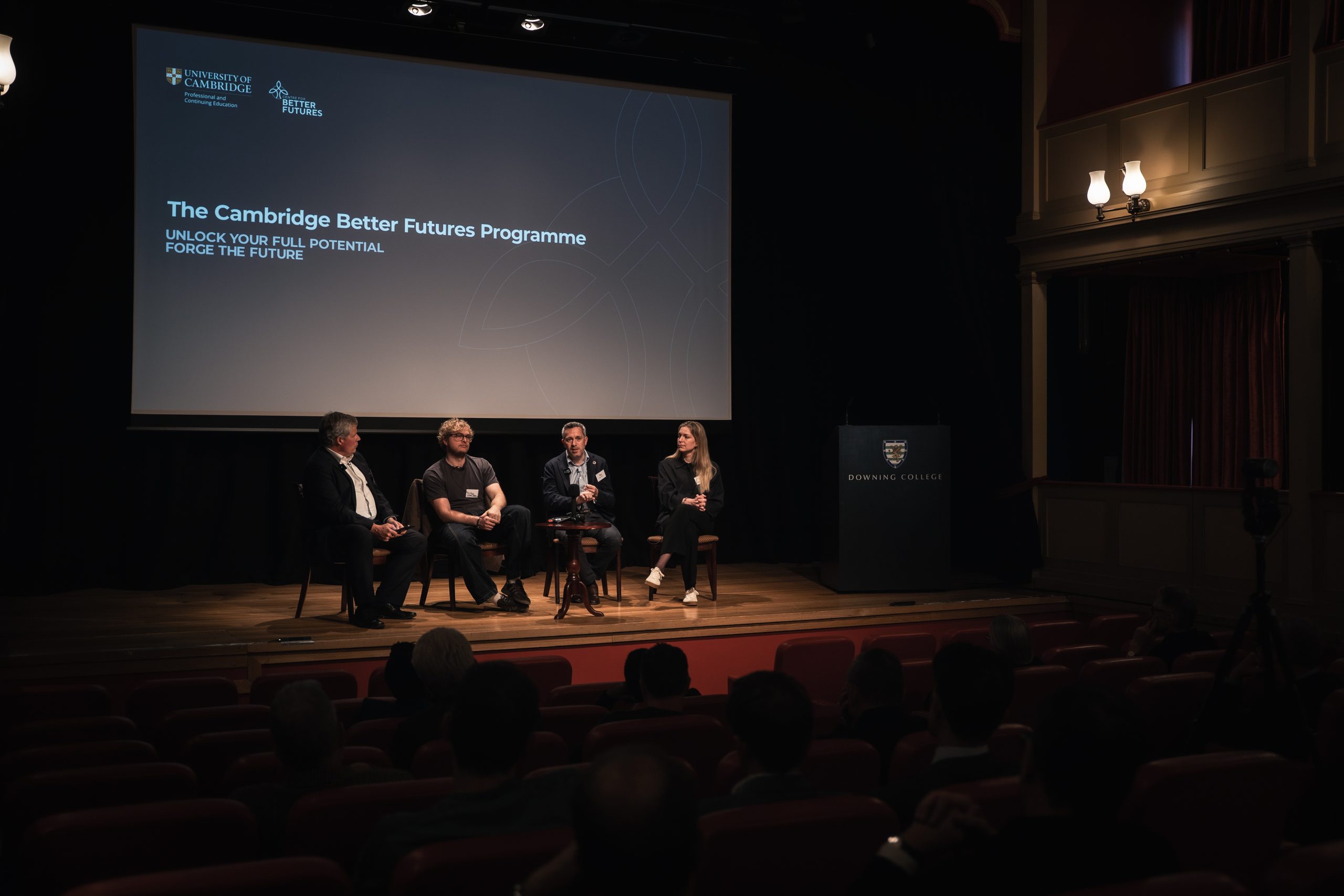
The University of Cambridge Better Futures Programme is a highly personalised six- or twelve-month programme at the University of Cambridge, designed for accomplished leaders exploring the next phase of their impact. Key information as follows:
- You work with an academic mentor to create a bespoke selection of courses that are relevant to you – drawn from undergraduate, postgraduate, and continuing education options across Cambridge.
- You are hosted at a Cambridge college, with bespoke tuition (one-to-one supervisions).
- You take part in a core programme with your cohort of accomplished peers, designed to help you focus your time on a project of both personal and societal benefit
- Discounts available to partners taking the programme together
Applications for the next intake, starting September 2026, are currently closed. We may consider late applications on a case-by-case basis. Learn more and register your interest at our website.